August/September 2011
- Laboratory Testing: The Price of Bad Data
-
While sampling and testing for adulterants can fulfill significant objectives in a food safety program, the implications are profound and often painful if not done properly.
- Toward a Better American Product Recall System
-
Monitoring and maintaining the integrity of the food supply is a tough job; government agencies and food safety systems do it admirably under some very challenging circumstances.
- A Life Cycle Approach to Food Safety and Sustainability
-
As with nutrition research, the dairy industry values science as the foundation for its commitment to sustainability and food safety.
- Microbiological Contamination of Ready-To-Eat Seafood
-
Seafood-borne diseases of microbiological origin can be caused by viable organisms and/or by toxins that they produce.
- Atmospheric Plasma Technology in the Meat Industry
-
Atmospheric plasma offers a number of advantages over existing food safety technologies in meat production facilities.
- Process Control and the Food Safety Modernization Act
-
The Food Safety Modernization Act mentions that finished product testing will be part of the food safety system.
- Sanitizers and Disinfectants: The Chemicals of Prevention
-
In the food industry, chemicals are routinely used to sanitize and disinfect product contact surfaces.
- Understanding the Ancestry of the Food Safety Modernization Act
-
The Food Safety Modernization Act builds on existing law, instead of creating or replacing old laws, expaning inspectors’ powers to evaluate hazards countless products.
- A Closer Look at Chemical Contamination
-
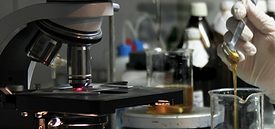
Contamination and adulteration both may involve the presence of a substance that is not intended to be in a product.
- Laboratory Testing: The Price of Bad Data
-
While sampling and testing for adulterants can fulfill significant objectives in a food safety program, the implications are profound and often painful if not done properly.
- Toward a Better American Product Recall System
-
Monitoring and maintaining the integrity of the food supply is a tough job; government agencies and food safety systems do it admirably under some very challenging circumstances.
- A Life Cycle Approach to Food Safety and Sustainability
-
As with nutrition research, the dairy industry values science as the foundation for its commitment to sustainability and food safety.
- Microbiological Contamination of Ready-To-Eat Seafood
-
Seafood-borne diseases of microbiological origin can be caused by viable organisms and/or by toxins that they produce.
- Atmospheric Plasma Technology in the Meat Industry
-
Atmospheric plasma offers a number of advantages over existing food safety technologies in meat production facilities.
- Process Control and the Food Safety Modernization Act
-
The Food Safety Modernization Act mentions that finished product testing will be part of the food safety system.
- Sanitizers and Disinfectants: The Chemicals of Prevention
-
In the food industry, chemicals are routinely used to sanitize and disinfect product contact surfaces.
- Understanding the Ancestry of the Food Safety Modernization Act
-
The Food Safety Modernization Act builds on existing law, instead of creating or replacing old laws, expaning inspectors’ powers to evaluate hazards countless products.
- A Closer Look at Chemical Contamination
-
Contamination and adulteration both may involve the presence of a substance that is not intended to be in a product.