April/May 2011
- Training in an Integrated Food Safety System: Focus on Food Proteciton Officials
-
For training and certification to be successful, all food protection professionals must have a clearly defined skill set to do their jobs.
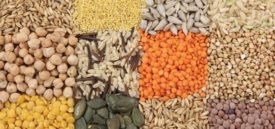
- Customer-Supplier Relationships: Microbiological Specifications for Raw Materials and Ingredients
-
Most recorded foodborne outbreaks are caused by raw and unprocessed or minimally processed foods.
- Food Safety Modernization Act: What's Next?
-
The Food Safety Modernization Act is designed to revamp food production safety standards and renew consumer confidence in the safety of the food supply.
- The Implications of the FSMA
-
The Food Safety Modernization Act is designed to revamp food production safety standards and renew consumer confidence in the safety of the food supply.
- Latest Trends in Meat Safety: How Will We Validate Meat Plant HACCP Systems?
-
Transparency among regulatory bodies, scientists and industry will continue to be of paramount importance as food safety controls and HACCP systems evolve for meat safety.
- Results of a New National Survey
-
While the U.S. food supply is considered generally safe, a steady stream of high profile food-related illness outbreaks undermines that idea.
- Inadequate Sanitation Results in Biofilm Formation
-
Failure to adequately clean equipment can result in biofilms that may require special cleaning methods to effect removal.
- The Value of Economics in Rulemaking: Examples From “The Egg Rule”
-
All FDA regulations are required to include an economic analysis of the regulation’s impact on the public health and industry.
- Biofilms and Microorganisms on Surfaces After Cleaning and Disinfection
-
When growth exceeds destruction by cleaning and disinfection, microorganisms inevitably become persistent and form biofilms.
- How Should Packaging Be Addressed in Your Food Safety Program?
-
Every food contact package must be manufactured from materials that are approved by the regulatory agencies as acceptable for food contact.
- Training in an Integrated Food Safety System: Focus on Food Proteciton Officials
-
For training and certification to be successful, all food protection professionals must have a clearly defined skill set to do their jobs.
- Customer-Supplier Relationships: Microbiological Specifications for Raw Materials and Ingredients
-
Most recorded foodborne outbreaks are caused by raw and unprocessed or minimally processed foods.
- Food Safety Modernization Act: What's Next?
-
The Food Safety Modernization Act is designed to revamp food production safety standards and renew consumer confidence in the safety of the food supply.
- The Implications of the FSMA
-
The Food Safety Modernization Act is designed to revamp food production safety standards and renew consumer confidence in the safety of the food supply.
- Latest Trends in Meat Safety: How Will We Validate Meat Plant HACCP Systems?
-
Transparency among regulatory bodies, scientists and industry will continue to be of paramount importance as food safety controls and HACCP systems evolve for meat safety.
- Results of a New National Survey
-
While the U.S. food supply is considered generally safe, a steady stream of high profile food-related illness outbreaks undermines that idea.
- Inadequate Sanitation Results in Biofilm Formation
-
Failure to adequately clean equipment can result in biofilms that may require special cleaning methods to effect removal.
- The Value of Economics in Rulemaking: Examples From “The Egg Rule”
-
All FDA regulations are required to include an economic analysis of the regulation’s impact on the public health and industry.
- Biofilms and Microorganisms on Surfaces After Cleaning and Disinfection
-
When growth exceeds destruction by cleaning and disinfection, microorganisms inevitably become persistent and form biofilms.
- How Should Packaging Be Addressed in Your Food Safety Program?
-
Every food contact package must be manufactured from materials that are approved by the regulatory agencies as acceptable for food contact.