Food Safety Magazine

Microbiological

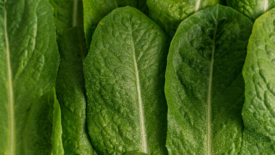
Raw Produce Field Sampling for Biological Risks

The who, how, what, where, when and why to sample are critical to control the risks of biological contamination.           

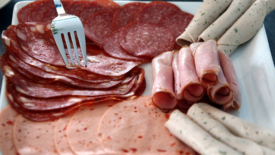
Bacteriocin-Producing Starter Cultures for Salami

In the manufacturing of meat products, starter cultures are still used for technological reasons but are also are protective by inhibiting spoilage and pathogenic bacteria.  

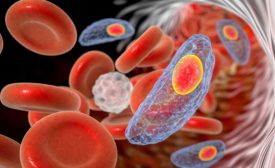
Understanding STEC: A Growing Concern

To understand the challenges of testing for pathogenic STEC, we need to understand the mechanics of what makes them deadly.

Can Food Safety Issues Ever Result in Consensus?

Don A. Franco, DVM, MPH, DACVPM, describes his assessment of a conference seminar on ground beef contamination with multi-drug-resistant Salmonella.

Poultry Safety in an Ever-Changing World

Ensuring the safety of poultry is a shared responsibility of farmers, producers, processors and retailers as well as federal and state agencies.

Fine-Tuning Your Environmental Monitoring Program

The importance of a sound environmental monitoring program cannot be overstated.


AMIF’s Food Safety Initiative: Progress and Possibilities

Experts from the American Meat Institute conduct a roundtable discussion of the key issues facing the meat industry today.

Radlo Foods Hatches a High-Tech Egg Safety Plan

Radlo Foods describes their innovative approach to egg safety.

Potential Use of Edible Nanoscale Coatings for Meat

Edible films potentially could be developed that contain antimicrobially encapsulated nanoparticles for improving the safety of meat.

Flavors Should Burst, Not Packages

While spoilage can take many forms, swelling packages serve as beacons of bacterial contamination.

BSE in the USA: How Mad Can We Get?

Introduction of bovine spongiform encephalitis risk for the food industry.
 

Microbiological Contamination of Ready-To-Eat Seafood

Seafood-borne diseases of microbiological origin can be caused by viable organisms and/or by toxins that they produce.

Modern Meat Safety: A Technological Toolbox

What has the industry been doing over the past 30 years to make meat safer?

The Challenge of Regulating Allergens in Food

FDA’s evaluation of an ingredient’s status as an allergen includes an assessment of harm to individuals who may ingest the ingredient.

Food Microbiology in Focus: An Expert Roundtable, Part 2

An expert roundtable discussion tackles the most pressing issues in food microbiology.


Food Microbiology in Focus, An Expert Roundtable, Part 1

An expert roundtable discussion tackles the most pressing issues in food microbiology.


Cooperative Investigation Response to the 2004 Salmonella Enteritidis Outbreak from Raw Almonds
Cooperative Investigation Response to the 2004 <i>Salmonella</i> Enteritidis Outbreak from Raw Almonds

This article explores the details of the 2004 Salmonella Enteritidis outbreak, the methods used to link cases of illness and subsequent actions by industry to prevent future outbreaks.

How to Keep Your Focus on Food Safety

How does one distinguish between legitimate and illegitimate or unsupported claims of foodborne illness?

Meeting the Challenge of E. coli O157:H7 Control Head On
Meeting the Challenge of <i>E. coli</i> O157:H7 Control Head On

Testing raw beef products for E. coli is only one piece of a larger puzzle to make sure contaminated meat doesn’t make it into grocery stores or homes.

The Evaluation of Novel Antimicrobial Ingredients in Maintaining the Safety and Shelf-Life of Refrigerated Foods

Can new antimicrobial ingredients really make a difference in the safety of refrigerated foods?

More Results: