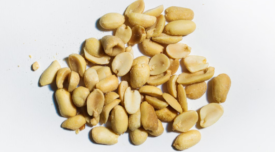
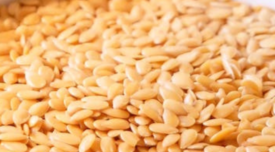
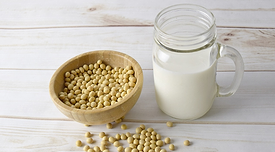
Allergens in food include the Big 9 (formerly the Big 8): milk, eggs, fish, shellfish, tree nuts, peanuts, wheat (gluten), soybeans, and sesame as of January 2023. Big 9 food allergens and residues in food are grounds for a Class 1 recall.
Allergen-related food recalls have increased since the introduction of FDA's Food Safety Modernization Act in 2011. This article shares the fundamentals of conducting an allergen gap assessment to help companies comply with new FDA guidance on allergen management.
New food allergen labeling requirements recently came into effect in Australia and New Zealand. A guidance for industry has been published to help manufacturers, importers, and retailers with compliance.
The UK Food Standards Agency (FSA) is launching an educational campaign to address widespread misconceptions about “vegan” versus “free-from” labels and raise awareness about precautionary allergen labeling.
A recent meeting report from the FAO/WHO Joint Expert Consultation on Risk Assessment of Food Allergens proposes a process to guide the development and evaluation of allergen derivative exemptions.
The UK Food Standards Agency (FSA) has published the results of its targeted surveillance sampling of retail food products for 2022, and found that 81 percent of foods tested were compliant with regulatory requirements.
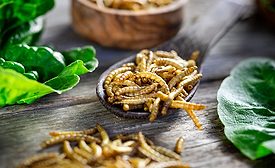
A recent study has mapped the edible insect supply chain to identify the main points for potential food safety hazards and food fraud, and concluded that, in general, substantial food safety and authenticity gaps need to be addressed before edible insects can be considered safe and sustainable protein sources for Western markets.
The U.S. Department of Agriculture’s Food Safety and Inspection Service (USDA’s FSIS) has revised its instructions to inspection program personnel (IPP) for performing allergen formulation verification.
The UK Food Standards Authority Board recently decided it would begin discussions with UK Ministers about making written allergen information for non-prepackaged food a requirement, and will begin drafting guidance for industry in the meantime.
A tool developed by European Food Safety Authority (EFSA) scientists allows for the screening of proteins in foods that trigger reactions in celiac disease patients, ensuring greater food safety. The tool could potentially be applied in a range of food safety areas.
The Food and Agriculture Organization of the United Nations (FAO)/World Health Organization (WHO) Expert Committee on Food Allergens recommended allergic threshold values for common allergens in foods.
On Demand: From this webinar, attendees will learn how to implement a program to control allergens in food processing facilities and prevent allergen cross-contact.
On Demand: The second of our two-part webinar series on allergen management examines allergen control and response in foodservice and retail environments
 Subscribe